
Tilapia
Oreochromis spp.
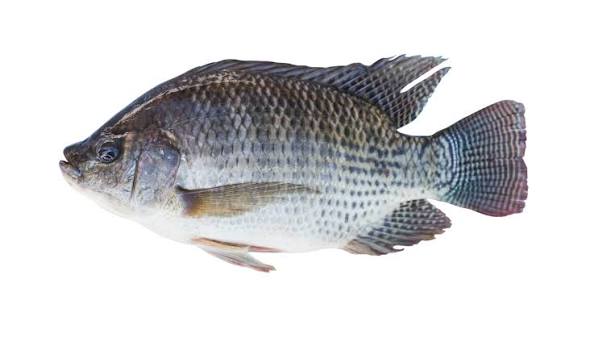
Identification
Nile tilapia (Oreochromis niloticus) is the most commonly cultured species — a deep, laterally compressed body covered in cycloid scales, a long dorsal fin with spiny and soft rays, and a rounded or truncate tail often marked with vertical stripes. Colouration ranges grey to olive-green with darker vertical bands; selectively bred strains like Red Tilapia show bright pink/red colouration. Known for hardiness, rapid growth, and adaptability.
Culture Method
Highly versatile — cultured in extensive earthen ponds, intensive cages, raceways, or RAS systems. A key challenge is prolific breeding causing overpopulation and stunted growth; commercial farming almost exclusively uses all-male populations via hormonal sex reversal, manual sorting, or YY male technology. Eggs are collected from brooding females' mouths and incubated artificially; marketable size (500–800g) is reached in 6–9 months.
Water Quality
| Parameter | Optimal Range | Tolerance Limits |
| Temperature | 28°C – 32°C | Feeding stops <20°C; lethal <10°C or >40°C |
| Dissolved Oxygen | >4.0 mg/L | Survives as low as 1.0 mg/L temporarily |
| pH | 6.5 – 9.0 | Highly adaptable |
| Salinity | 0 – 15 ppt | Some strains adapt to full seawater (35 ppt) |
Chronic low oxygen or high ammonia suppresses immunity and reduces growth even though tilapia tolerate poor conditions short-term.
Feed
Omnivorous, feeding low on the food chain — phytoplankton, periphyton, macrophytes, detritus, and benthic organisms in the wild. Extensive/semi-intensive systems rely on fertilization-stimulated natural food; intensive systems use formulated pellets with lower protein (25–35%) and plant-based ingredients (soybean meal, corn), making feed cheaper than carnivorous species.
Diseases
- Bacterial: Streptococcosis (S. iniae, S. agalactiae) — most devastating in intensive farming; Motile Aeromonas Septicemia, Columnaris disease
- Viral: Tilapia Lake Virus (TiLV), Iridovirus
- Parasitic: Trichodina, Ich, monogenean flukes — especially in fry/fingerlings
Economics
Known as the "aquatic chicken" for fast growth, hardiness, and low-cost vegetarian diet. Feed is the primary cost, but cheaper plant proteins keep overall production costs low. Excellent fit for KP's warm-water zones (Peshawar Basin, Bannu Basin) and saline-water zones — adaptability to varying salinities turns marginal or brackish lands into productive aquaculture hubs.